Empowering Every Mind for the Machine World
Machina Mundi means “machine world” — a name that reflects both our present reality and an urgent question: who gets to shape that world? We exist to ensure that artificial intelligence does not become the exclusive tool of the wealthy and well-connected. Instead, it must be a common language — one spoken, understood, and challenged by minds everywhere. From villages in Oman to inner-city classrooms in Connecticut, we believe that the machine world should be built by every mind on Earth, not just a select few.
Our workshops offer more than just technical training. They are an act of invitation — telling students, especially from underrepresented and Title I schools, that they belong in the conversation shaping tomorrow’s AI. With hands-on coding labs, creative projects, and ethical discussions, we give students the tools to not only understand artificial intelligence, but to reshape it. We teach young people how to build responsibly, think critically, and design intelligently. AI literacy is not optional anymore — it is a form of civic literacy for the 21st century.
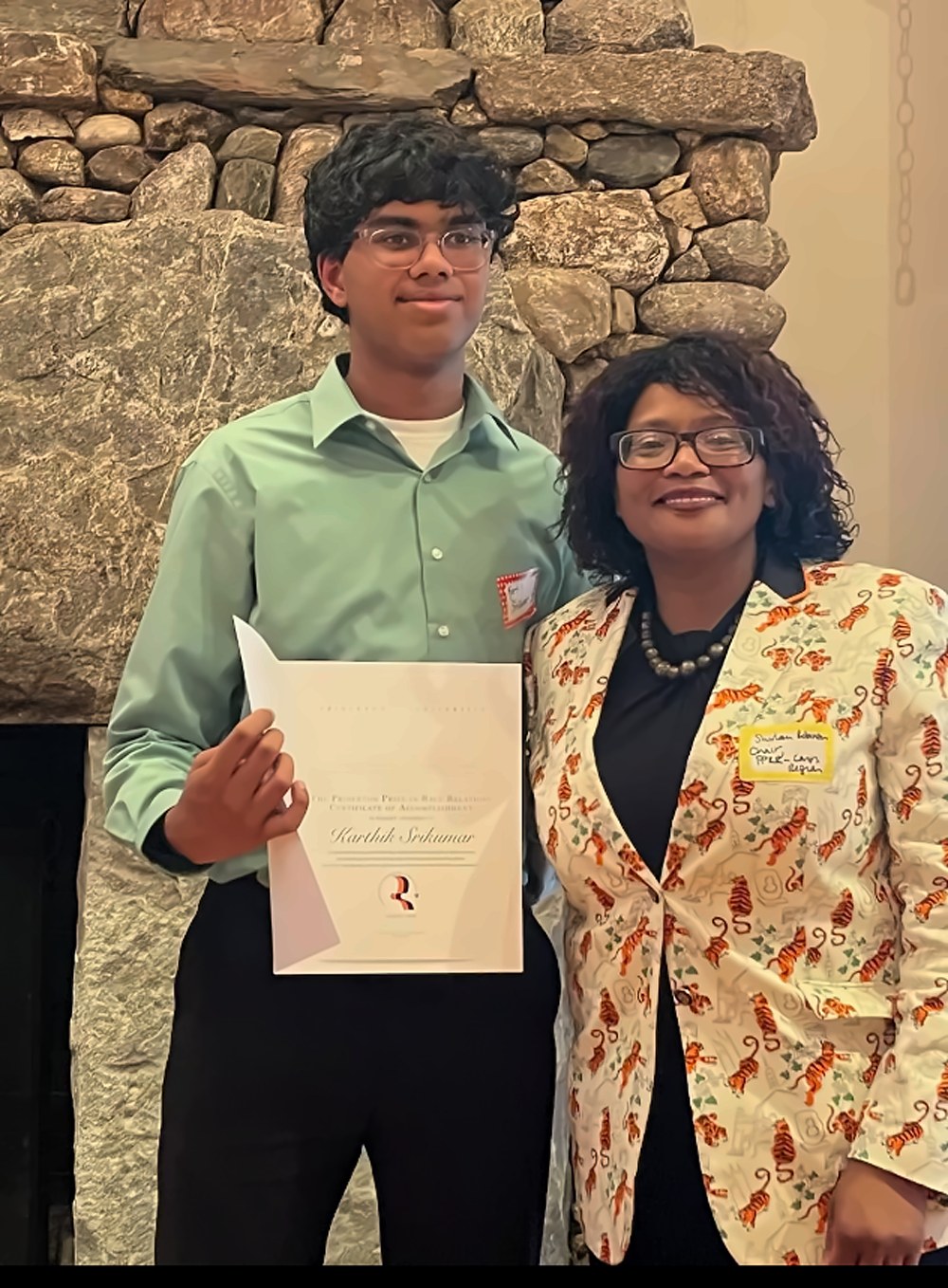
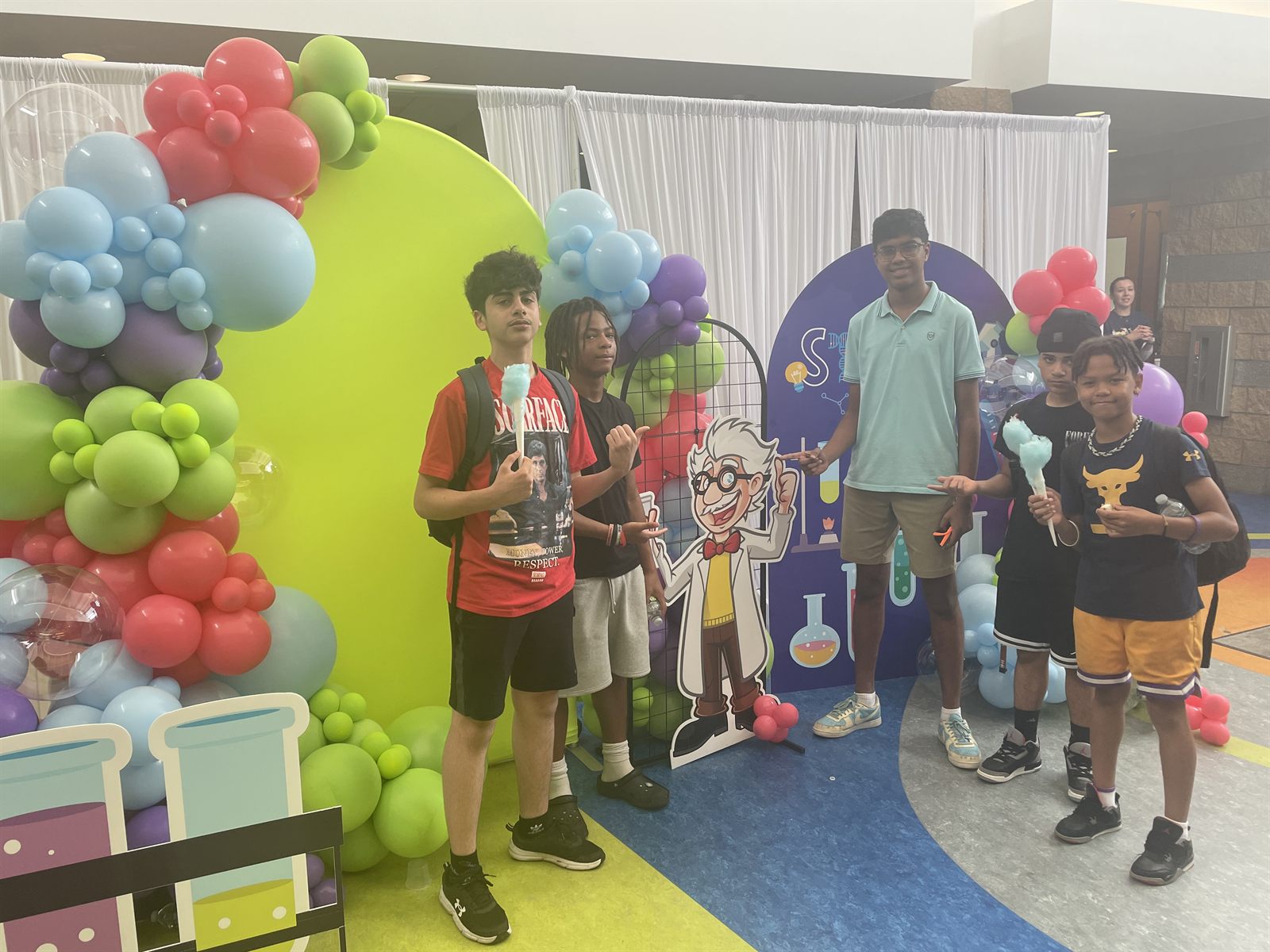
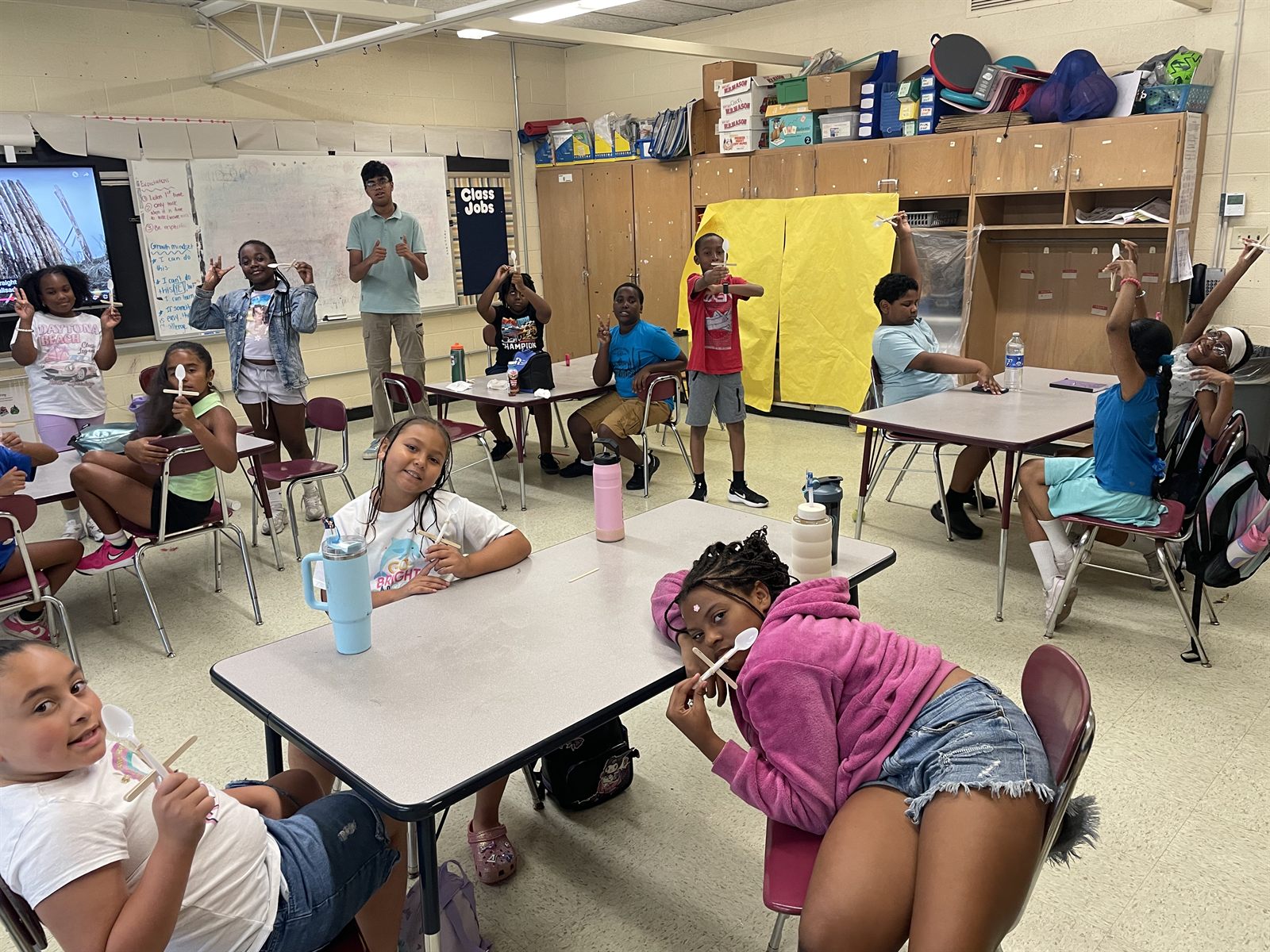
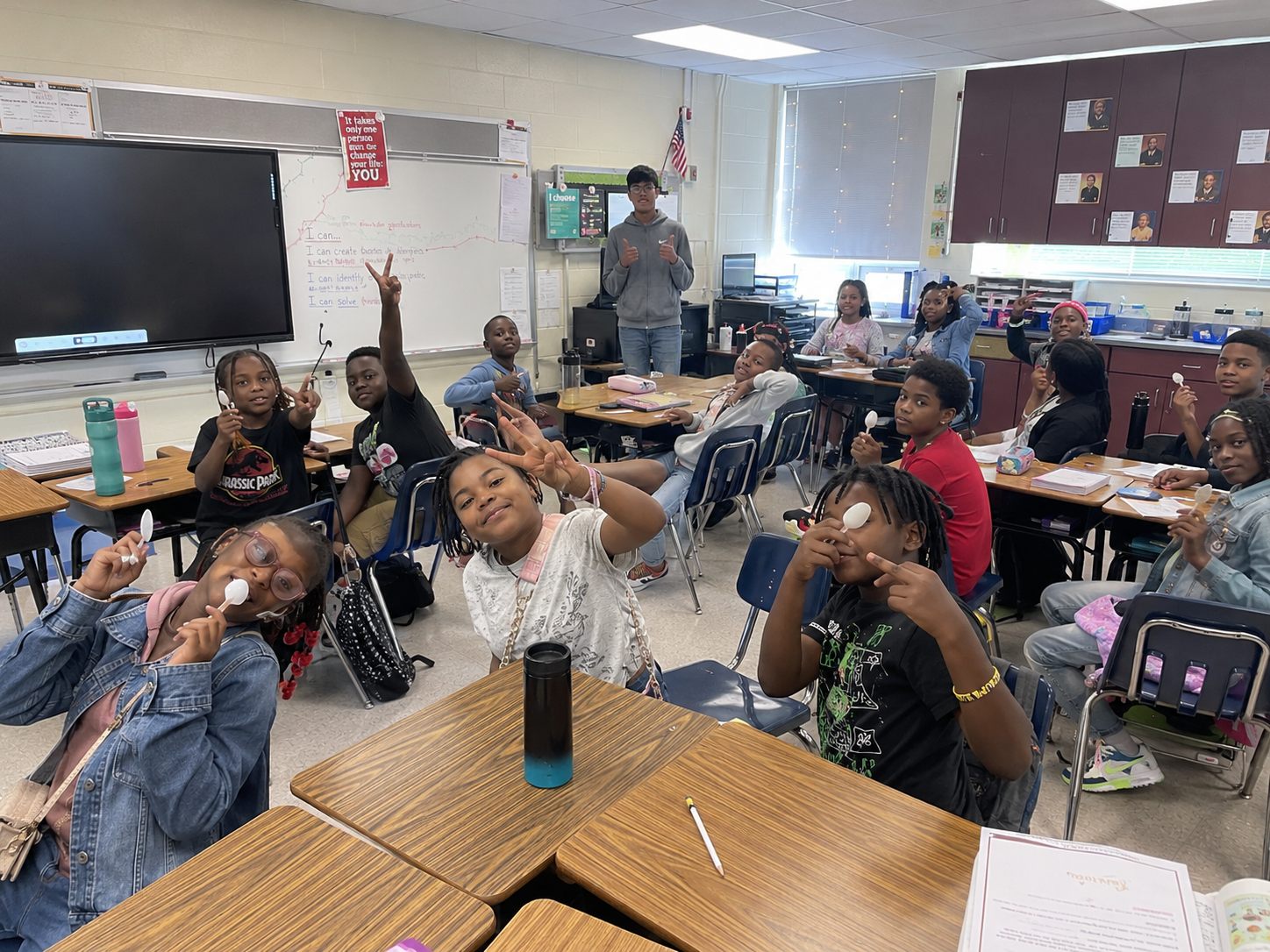
In just one congressional district (CT-01), we reached over 500 underserved students, gained government recognition, and proved that students as young as 7 can meaningfully engage with real-world AI systems. From natural language processing to computer vision, our curriculum scales to local needs while staying rooted in creative autonomy.
White-Collar English is the most common on the internet, and in conversational representations of dialects like African American Vernacular English are poorly represnted, with often racial or biased answers being produced. Seeing first hand how members of his community in Hartford didn't feel in touch with the Language Model given to them, founder Karthik Srikumar set off on the mission of creating an explicit dataset for AAVE that would represent more conversational dialects of the language, building upon research done at Stanford in 2022. Focusing on code-switching, conversational dialecs, and fair representation, over 20,000 words from conversations were recoreded through the Machina Mundi Team. As AI models continue to expand, entire dialects and ways of speaking are being ignored, flattened, or erased. Project POLLEN addresses this by collecting and preserving the nuances of endangered and underrepresented languages — from conversational Arabic in Oman to African American Vernacular English in the U.S. South. These datasets are not just for linguistic study. They are used to train dialect-aware neural networks that ensure AI models do not overwrite the cultural memory of the people they claim to serve.
We believe that language carries not just information, but identity. When machines fail to recognize dialect, they fail to recognize the people who speak it. POLLEN is a way of resisting that invisibility. By preserving the linguistic "pollen" of each community, we help the machine world bloom in ways that are diverse, rooted, and just.
The world is rapidly transitioning into an AI-driven era — but without deliberate action, many voices will be left behind. Machina Mundi stands at the intersection of equity and innovation, ensuring that as machines learn, they learn from all of us. Whether it’s helping a student build their first algorithm or archiving the speech patterns of their grandparents, our work ensures that humanity in its fullest form remains at the center of AI. Because if machines are going to shape the world, then the world must shape the machines.
Machina Mundi is a youth-led global initiative advancing ethical AI, STEM, and creative technology education for students in underserved and linguistically marginalized communities. We build accessible, locally grounded programs that connect technical innovation with social impact.
From designing AI-based curriculum used in 3 continents in after-school activities to curating novel LLM datasets that preserve conversational and underrepresented dialects, our students don't just learn to code, they learn to question, to build, and to lead. Our datasets ensure that all speakers have the chance to engage with technology, not just a few.
Our work spans continents. We run hands-on workshops, deploy open-source tools, and support research driven by youth, often in collaboration with schools, universities, nonprofits, and ministries of education. At every step, we ask: Who gets to build the future — and in whose voice?
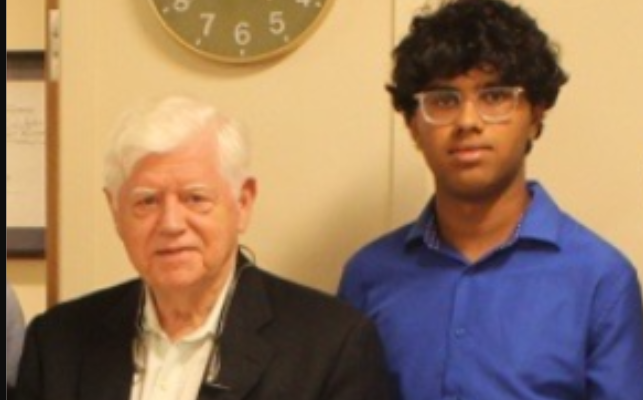
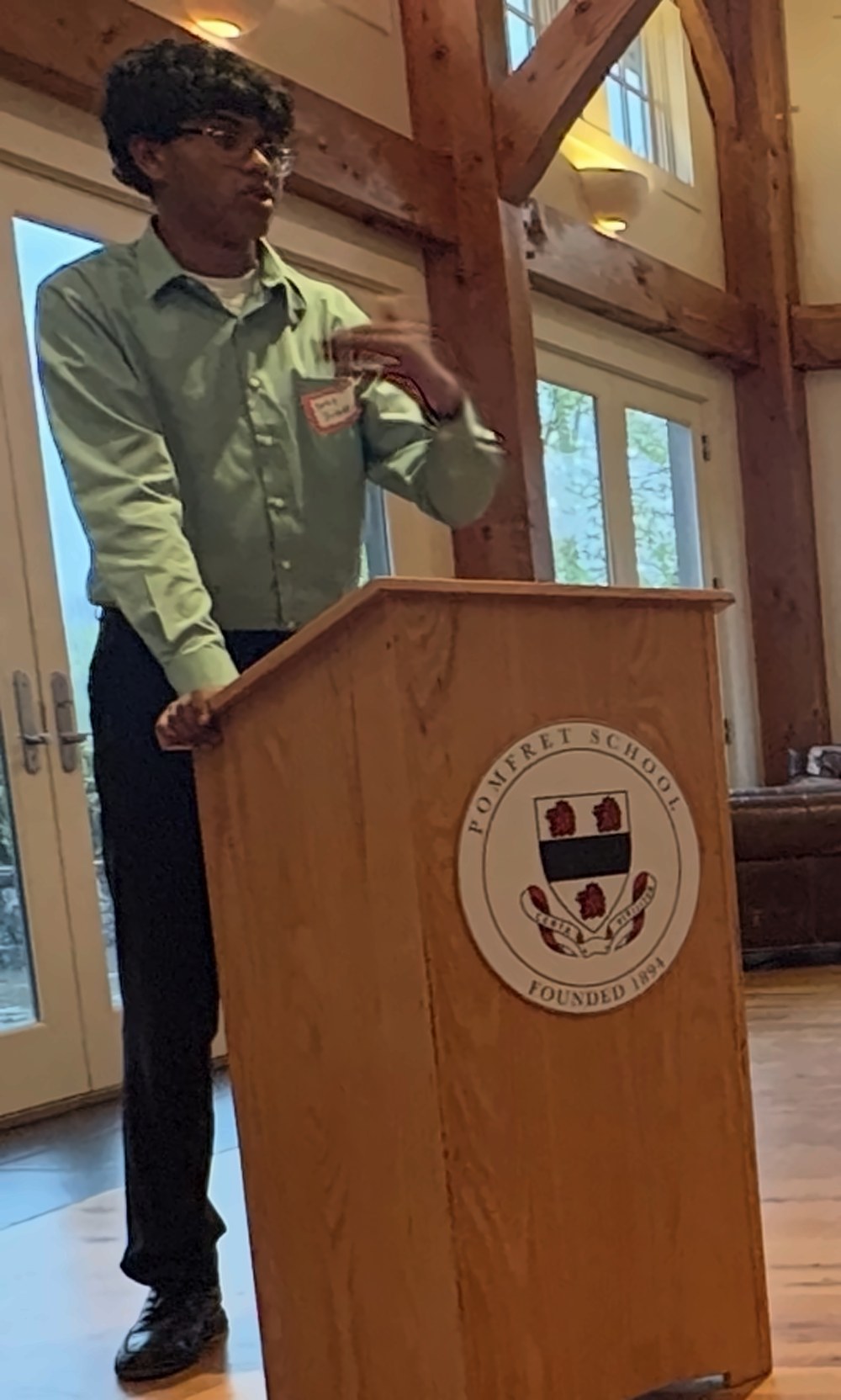
President & Director. Inspired by the Discrepancy in LLM training data, and AI literacy in his community, Karthik championed Machina Mundi, overseeing projects throughout the world, and especially in Connecticut, USA
Oman Regional Lead. Coordinates Project POLLEN Arabic datasets and student outreach in Muscat and Dhofar regions. Manages 20+ volunteers (behind ConvoArabic) and works with Karthik Srikumar, creating an expert-verified comprehensive dataset found on the POLLEN page
Linguistics contributor working on Arabic youth workshops on voice, syntax, and code-switching across Oman and the UAE. Sealed government partnerships in Oman, progressing the ConvoArabic dataset
Head of Operations in Nepal.
Head of Operations in Georgia. Working with the YMCAs around Atlanta on panels + workshops. Collaboration in progress with HBCUs in GA.
Head of Operations in Philidelpha + Pennsylvania
Builds partnerships with schools and nonprofits in the U.S. to integrate Machina Mundi modules into equity-focused classrooms. Works and manages members in North Carolina
Focuses on Social Equity with Linguistics/AI applied to the Domain of Medicine; Head of Indiana's Workshops.
Working with government partners, head of work in Texas (Currently only DFW region).
Head of Social Work in Ohio + Pittsburgh, PA.
Project POLLEN (Preserving Oral Language & Linguistic Equity Now) is a youth-led initiative dedicated to fixing the deep linguistic bias in modern artificial intelligence. Our mission is to ensure that AI systems do not erase, distort, or undervalue the way real people speak.
POLLEN rethinks how language models are trained by collecting and integrating authentic, everyday speech from communities whose voices have been ignored, misrepresented, or “corrected” out of existence. We focus on preserving the full expressive range of dialects like African American Vernacular English (AAVE), Chicano English, and Southern Appalachian English, capturing the rhythm, tone, and nuance that standard datasets overlook.
By grounding AI in real, diverse voices, we are creating technology that listens as well as it speaks. Our goal is to make sure future AI systems are not just globally inclusive, but locally faithful — tools that respect language as culture, identity, and history.
Because every dialect tells a story, and those stories deserve to be heard.
We believe language is more than syntax. It is memory, culture, identity, and power. If artificial intelligence cannot understand our communities as we speak them, then it cannot serve us justly.
Our dataset work for AAVE is both literary and lived. By combining canonical works like Their Eyes Were Watching God and The Color Purple with emerging internet dialogue, academic syntax theory, and oral speech recordings, we are building a large-scale dialectal corpus that treats AAVE as a legitimate linguistic system, not an anomaly. These datasets are manually reviewed for authenticity and bias minimization.
In addition to data collection, we apply community-sourced tagging for sentence structure, tone, and lexical innovation. We take linguistic ethics seriously and continually revise based on feedback from Black linguists and cultural scholars.
View AAVE Dataset MethodologyMany people naturally move between dialects and registers depending on their audience or environment. Our systems are designed to recognize and learn from these linguistic shifts. Project POLLEN uses dialectal tagging to identify when a speaker transitions between AAVE and Standard American English. This feature teaches LLMs to avoid inappropriate normalization while preserving context, rhythm, and tone.
These insights are being implemented as part of POLLEN's effort to support context-aware AI dialogue systems, especially for education and mental health tools where misreading someone's voice can have serious consequences.
In Oman, we are building a new dataset of conversational Arabic that captures how people actually speak — in streets, in shops, in homes, and online. Too often, Arabic language models are built on overly formal scripts that exclude the vibrant, evolving dialects spoken every day.
Our methodology involves voice recordings, culturally relevant dialogue simulations, and collaboration with native speakers to construct regionally grounded corpora. We believe every dialect deserves space in AI systems, especially those that remain undocumented by traditional NLP tools.
View Arabic Dataset MethodologyWhat sets Project POLLEN apart is its grassroots energy. The project is driven by youth technologists, researchers, and students who believe that communities should have a voice in shaping the future of language AI. We do not extract — we partner.
Through Machina Mundi's framework, our workshops introduce local students to ethical AI, dialectal coding, and data ownership. We are not just preserving voices. We are training the next generation to build with them.
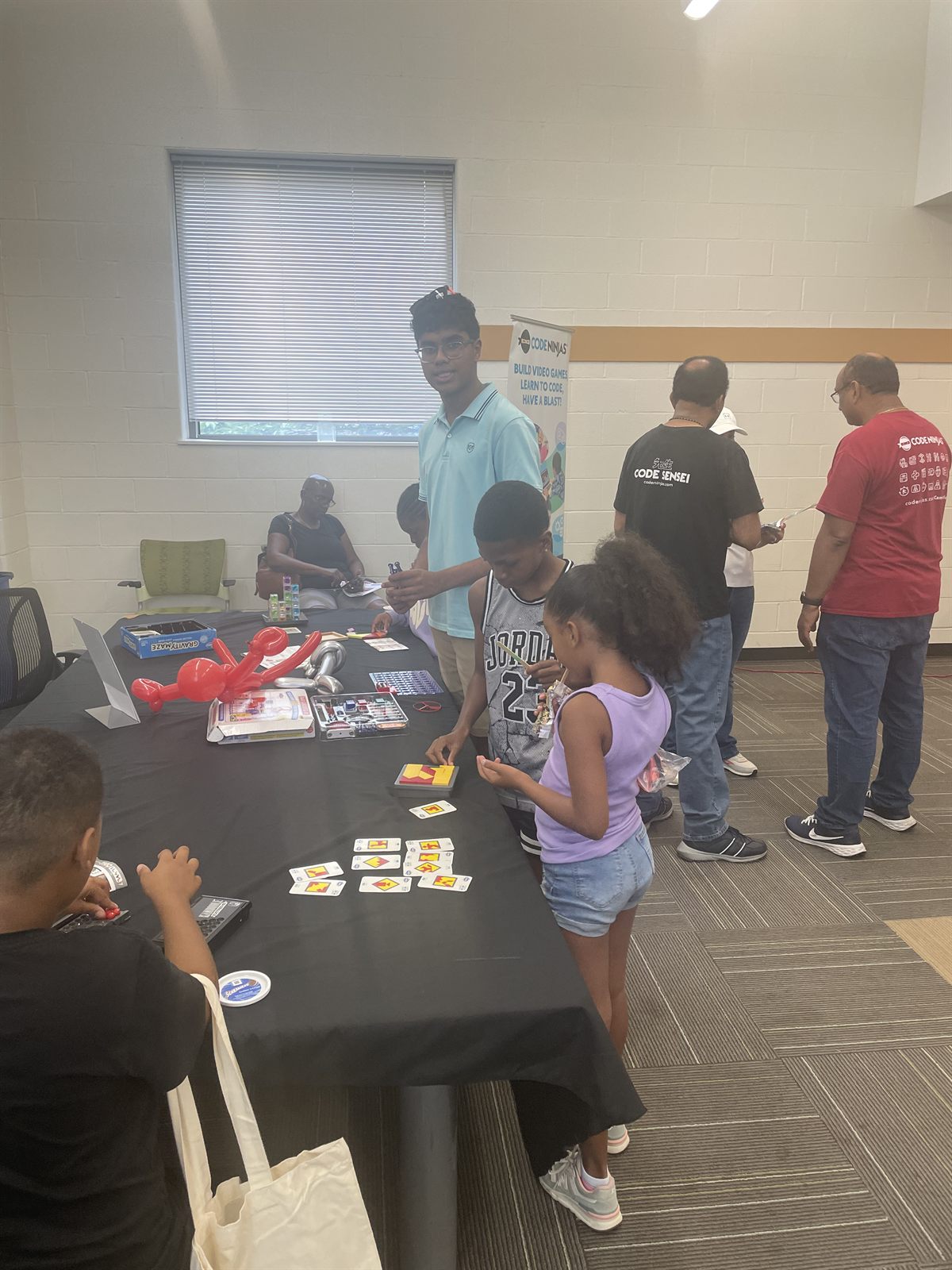
Our groundbreaking 2025 Summer Swing Program will reach over 400 students across Connecticut's First Congressional District. Partnering with Code Ninjas Manchester and community centers, we provide 9 hours of free AI and STEM instruction to students of all backgrounds.
Interactive applications: image generation, voice synthesis, language models, and robotics. Students create AI-powered art, games, and tools while learning about ethics and bias awareness.
Custom-built digital platform for continued experimentation. Features safe AI playgrounds, generative art spaces, and simplified prompt engineering tools.
Year-end culminating event where students present their creations to the community, building confidence and validating their innovative work.
Machina Mundi thrives through strategic partnerships with schools, nonprofits, community centers, and government organizations. Together, we're creating a peer-led learning ecosystem that scales impact and builds sustainable change.


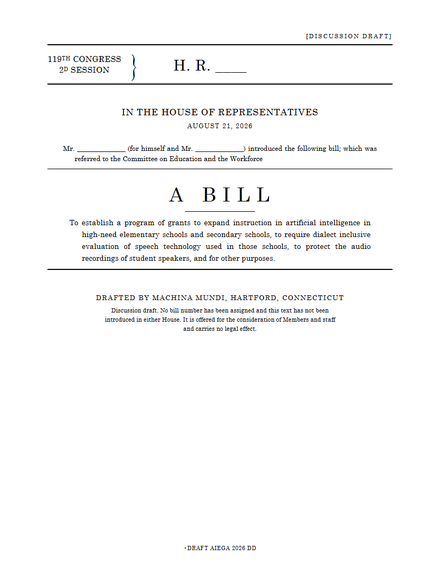
Machina Mundi is actively working on passing real legislation in the Connecticut Congress to institutionalize equitable AI education access across the state.
"Powered by Youth. Guided by Community."
Contact us at: info@machinamundi.org